Russ Darrow Chrysler Dodge Jeep RAM of West Bend
When your Ram 1500, Jeep Grand Cherokee, Wrangler, or Chrysler Pacifica starts squeaking or pulsing under braking, the fix is more than “new pads.” The right solution depends on exact fitment, rotor spec, pad compound, and whether you tow, commute, or split duty on Washington County’s rolling routes. Local driving around Slinger, Kewaskum, and the US-45 corridor demands confident, quiet stops—especially with frequent four-way stops, quick merges, and the occasional emergency brake on County Highway 60. At Russ Darrow Chrysler Dodge Jeep RAM of West Bend, our Mopar parts counter matches pads, rotors, and hardware to your VIN so caliper clearances, rotor thickness, ABS tone rings, and parking-brake-in-hat setups align the first time perfectly. We stock Mopar ceramic and semi-metallic pad options, coated rotors that resist rust, and complete hardware kits to prevent uneven wear or brake noise down the line. Every OEM part is designed for your exact braking system and built to integrate with factory brake bias, stability control, and pedal feel. You also get a 2-year warranty on all parts. If your day involves towing to Big Cedar Lake, stop-and-go errands through West Bend, or weekend runs past Slinger Speedway, precise fitment protects stopping distances and keeps NVH (noise, vibration, harshness) low. And because Wisconsin road salt can accelerate hub and rotor corrosion, choosing the right coated rotor and fresh hardware isn’t optional—it’s essential for safe, consistent braking.
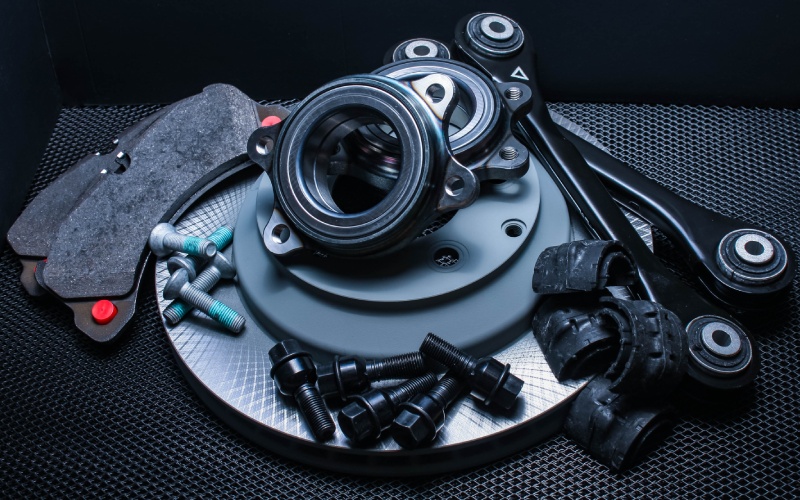
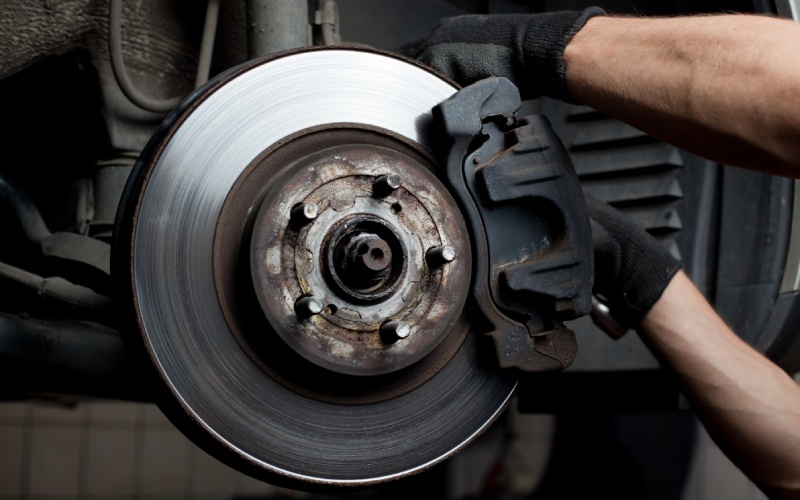
Most drivers can expect 25,000–60,000 miles from pads, but hills, towing, and frequent stops around downtown West Bend compress that window. Measure pad thickness and rotor runout with proper tools; a micrometer and dial indicator prevent guesswork. Rust-jacking between rotor hats and hubs—common in freeze-thaw cycles—mimics warped-rotor symptoms and calls for hub cleaning and coated replacement rotors. Our parts pros use factory spec sheets to confirm minimum rotor thickness and runout limits, while VIN lookups ensure you get the correct caliper, rotor diameter, and pad geometry. If you service brakes yourself, pair pads with fresh abutment clips, slides, and silicone lubricant to maintain even, quiet engagement. For peace of mind, bring your VIN; we’ll print the correct Mopar numbers so your install goes smoothly.
Fitment differs widely across trims, tow packages, axle options, and wheel sizes—so accuracy matters. Ram 1500 owners will see different front rotor diameters and pad shapes between Classic and newer DT platforms, especially on trucks with the Trailer Tow Group or off-road packages. Ram 2500/3500 braking systems bring larger rotors, specific pad formulations, and sometimes unique hardware that must match the caliper casting number. Jeep Grand Cherokee models (WK vs. WL) can use distinct front/rear rotor diameters, pad compounds tuned for hybrid/4xe regeneration, and parking-brake-in-hat configurations needing the correct shoe kits. Wrangler JL and Gladiator buyers often upgrade to higher-friction Mopar or performance pads for added grip with 35-inch tires; these setups also benefit from coated rotors and fresh slide hardware to avoid noise after deep-water crossings. Chrysler Pacifica rotors and pads vary by wheel size and equipment level; some trims require specific caliper brackets or integrated tone rings that must be matched to the VIN. For daily drives and towing near Slinger, WI, these nuances influence pedal feel, fade resistance, and stability control calibration. You can source VIN-specific Mopar pads and rotors from Russ Darrow Chrysler Dodge Jeep RAM of West Bend and be confident that ABS targets, caliper clearances, and dust-shield clearances are right. If your Jeep or Ram sees frequent I-41 merging and county backroads, talk with our parts specialists about pad compounds that balance low dust, quiet stops, and strong bite when you’re loaded or descending hills.
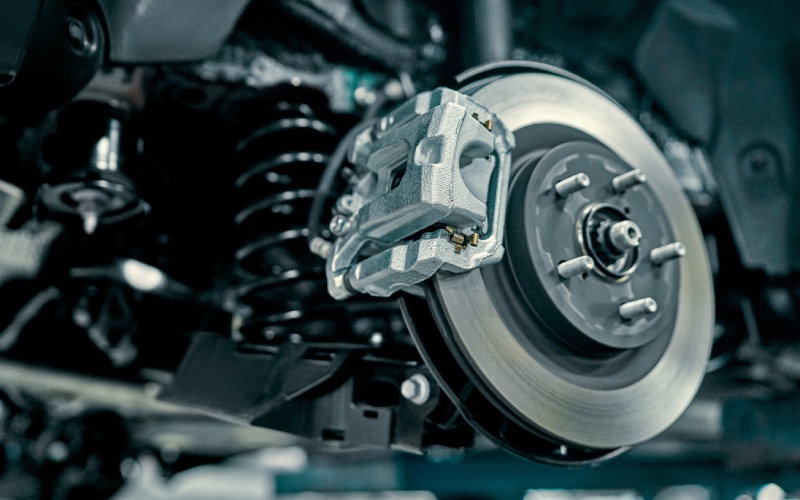
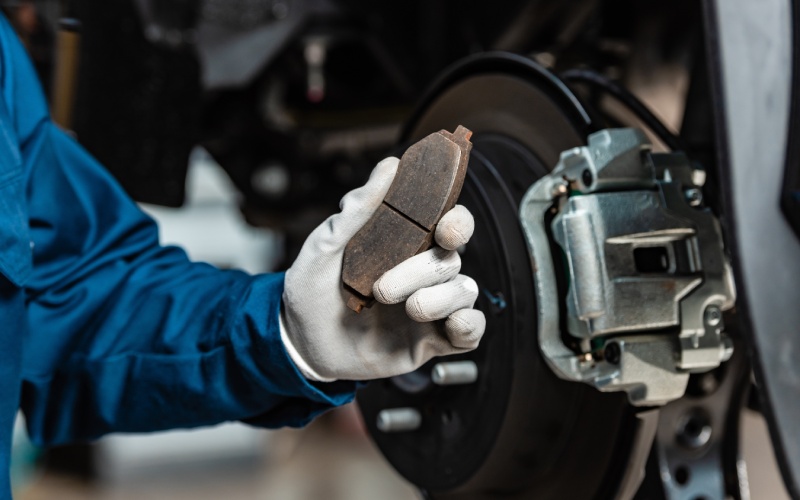
Ordering these companion parts avoids noise, tapered wear, or uneven rotor deposits. Proper torque, a clean hub face, and fresh high-temp lubricant on slides make the difference between a quiet, confident stop and a comeback. If you want professional installation, our certified technicians can install your Mopar parts, road test, and perform a multi-point inspection in the same visit. We offer Early Bird hours, Saturday service, a dedicated Express Lane for inspections and light maintenance, shuttle availability, and we handle state inspections and emissions testing when needed. Ask our team which pad compound best suits your routes—quiet ceramic for daily commuting, or higher-friction formulations if you regularly tow or descend hills on Kettle Moraine byways.
Why choose Mopar pads and rotors over aftermarket?
Mopar brake parts are engineered to your exact caliper, rotor diameter, ABS strategy, and noise-damping targets. You get factory fit, predictable pedal feel, and less risk of squeal or pulsation because the friction and hardware match OEM specs.
Do I need new rotors with every pad change?
Measure thickness and runout against Mopar limits. In Washington County, corrosion and pitting often make replacement smarter than machining. Coated rotors resist rust and help prevent future pulsation.
Are ceramic or semi-metallic pads better?
Ceramics are quieter and low dust—great for commuting. Semi-metallics handle heat better for towing or larger tires. We can match compounds to your driving and model.
How long should brakes last here?
Typical ranges are 25,000–60,000 miles for pads and 50,000–80,000 for rotors, but towing, hills, and stop-and-go shorten intervals. Inspect at every tire rotation.
Can you install parts and service all makes?
Yes. Our certified technicians service all makes and models, including diesel and EVs, and we back OEM parts with a 2-year warranty.
How do I bed new pads and rotors?
Use several moderate stops from neighborhood speeds to transfer an even friction layer, then allow cool-down. Avoid hard, prolonged braking for the first 200 miles to stabilize materials.
Whether you are refreshing a family Pacifica or upgrading a Wrangler after a tire change, ordering VIN-accurate pads, rotors, and hardware ensures the quiet, confident braking you expect. Use our online Order Parts form to request Mopar components, or stop by our counter with your VIN so we can confirm rotor thickness, pad geometry, parking-brake-in-hat details, and ABS tone-ring compatibility. If you prefer professional installation, schedule service and ask for a brake inspection with a multi-point check; our Early Bird hours, Saturday availability, Express Lane for quick inspections, shuttle options, and Spanish-speaking support make it simple to fit maintenance into a busy week. We are a quick drive from US-45 and serve drivers near Slinger, WI who need reliable stops on county roads, boat ramps, and during downtown errands. For towing, bigger wheels, or frequent hill descents, ask us about higher-thermal-capacity pads and coated rotors that resist rust. Contact Russ Darrow Chrysler Dodge Jeep RAM of West Bend to match your brake parts to your model and driving, and leave with everything needed for a clean, quiet, long-lasting install.