





Four-Season Access on Roads and Boat Ramps — Jeep® SUVs vs Subaru in West Bend, WI
Russ Darrow Chrysler Dodge Jeep RAM of West Bend – Four-Season Access on Roads and Boat Ramps — Jeep® SUVs vs Subaru in West Bend, WI
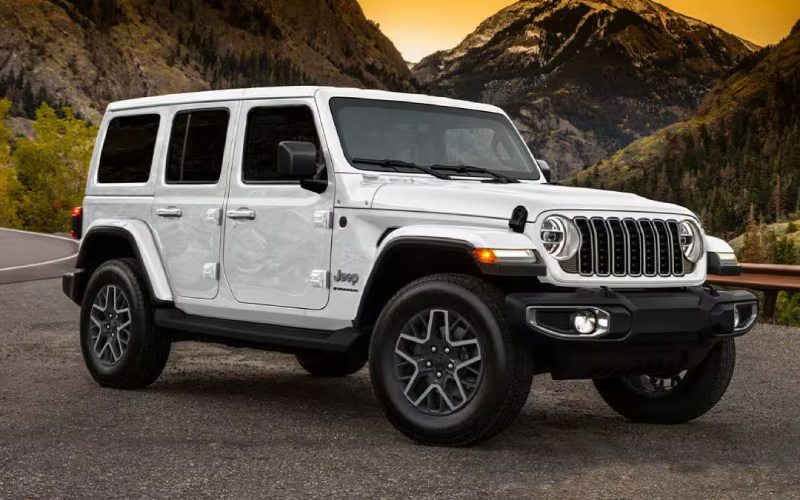
When winter piles up on the roadway, or the spring thaw leaves the Big Cedar Lake launch slick, the right SUV does more than commute — it gets you to school, work, trailheads, and boat ramps with quiet confidence. At Russ Darrow Chrysler Dodge Jeep RAM of West Bend, we meet shoppers who weigh Jeep® capability against Subaru’s all-weather reputation. Both nameplates handle typical Wisconsin snow well, but the moment roads are rutted, unplowed, steep, or wet, Jeep’s purpose-built 4×4 systems, ground clearance, and trail hardware make a distinct difference around Washington County.
This comparison focuses on real West Bend use cases — morning I-41 and Highway 33 drives, neighborhood side streets after a storm, gravel lots at the Ice Age Trail, and weekend boat launches — to highlight how Jeep and Subaru approach traction, stability, and everyday usability. Our goal is to help you decide which brand best fits your life here, while explaining where Jeep’s engineering pays off in four-season access.
Subaru equips most models with Symmetrical All-Wheel Drive and X-MODE for slippery surfaces, an excellent formula for packed snow and rain. Jeep, however, offers multiple 4×4 architectures — from Jeep Active Drive and Selec-Terrain on compact SUVs to Quadra-Trac II and Quadra-Drive II with an electronic limited-slip differential on larger SUVs, and Rock-Trac with low range and locking differentials on the Jeep® Wrangler. That breadth lets you choose the right level of traction, crawl control, and durability for everything from commuting in Cedarburg to climbing the rutted approaches of Kettle Moraine State Forest – Northern Unit.
Below are the practical differences West Bend drivers tell us matter most once the weather turns, or the pavement ends.
- Drivetrain engineering: Subaru’s Symmetrical AWD is full-time and quick to react, but Jeep offers true two-speed transfer cases, available locking differentials, and advanced torque management. That adds control when starting on icy hills in Barton or easing down a muddy boat ramp.
- Deep-snow traction: Subaru’s X-MODE tunes throttle and shift logic effectively for plowed roads and light trails. Jeep Selec-Terrain adds Snow, Sand/Mud, and available Rock modes, and models with low range maintain steady wheel speed and torque — ideal for unplowed subdivision entrances and slushy ruts after a heavy lake-effect band.
- Ground clearance and angles: Wilderness-trim Subarus raise clearance, but Jeep Trailhawk models and the Jeep® Wrangler deliver greater approach, breakover, and departure angles. That geometry helps crest snow berms left by plows on rural driveways or navigate washouts on forest service roads.
- Water and muck readiness: Subaru does not rate water-fording, and low-mounted intakes limit confidence in meltwater puddles. Select Jeep SUVs are engineered for meaningful water-fording and include skid plates and sealed electrical connections — assurance when spring runoff pools across low spots near the Milwaukee River.
- Towing and loading: Subaru offers light-to-moderate tow capability. Many Jeep SUVs offer comparable or higher tow ratings along with features like integrated trailer sway control and available air suspension for leveling — helpful for hauling a fishing boat to Little Cedar Lake or a small camper to Mauthe Lake.
- Trail hardware and tires: Subaru focuses on all-season rubber and software. Trail Rated Jeep models add all-terrain tires, recovery tow hooks, underbody skid plates, and, on certain trims, a disconnecting front sway bar — mechanical advantages when traction gets uneven near sandy trailhead lots.
If your week is mostly paved and plowed, Subaru’s balanced AWD is an easy fit. If your reality includes snow-packed county roads, slushy intersections, steep boat ramps, or sandy parking areas near Ice Age Trail segments, Jeep’s hardware advantages show up quickly — and keep showing up year after year.
Electrified driving has entered this conversation too. The Jeep® Wrangler 4xe and Jeep® Grand Cherokee 4xe blend plug-in hybrid efficiency with authentic 4×4 systems. Instant electric torque smooths snowy launches on Main Street, and you can complete many West Bend errands in Electric mode, then rely on hybrid power for longer drives and cold snaps. Subaru’s electrified options in this space remain more limited, particularly for models that combine off-road hardware with plug-in capability, which is a standout strength for Jeep.
Inside the cabin, both brands deliver comfort features that matter here — Heated Front Seats, a Heated Steering Wheel, and Remote Start are widely available. The difference is in how technology supports mixed driving. Jeep’s Uconnect 5 system offers crisp graphics, fast responses, and available integrated off-road pages and trail mapping on select models, which is useful when you explore gravel spurs near Kewaskum. Subaru STARLINK serves daily needs well, but Jeep’s available trail integrations and 4×4 readouts add useful context when traction changes every mile.
On the safety front, Subaru EyeSight Driver Assist Technology is a benchmark for standardization, offering features like Adaptive Cruise Control, Lane Keep Assist, and Pre-Collision Braking. Jeep matches up strongly with available Adaptive Cruise Control with Stop and Go, Active Lane Management, Blind Spot Monitoring, and ParkSense Front and Rear Park Assist. On higher trims, select Jeep SUVs add advanced features such as Hands-Free Active Driving Assist and Night Vision with Pedestrian and Animal Detection — confidence boosters for frosty predawn commutes on US-45.
To help you decide brand fit based on your week in and around West Bend, use this quick decision framework.
- Your daily route: If your routine is mostly I-41 and well-plowed neighborhood streets, Subaru models fit neatly. If side streets, gravel connectors, or trailhead roads are frequent, consider a Jeep with Selec-Terrain and available low range.
- Snow depth and timing: Early morning departures before plows — or weeks with repeated freeze-thaw — favor Jeep Trail Rated models that manage ruts, berms, and variable surface grip.
- Towing and launching: Regular trips to area lakes — especially on algae-slick or icy ramps — lean toward Jeep SUVs with low range, Trailer Sway Control, and available air suspension for stability and traction.
- Trail interest: If Kettle Moraine trail spurs and seasonal forest roads are on your calendar, Wrangler, Gladiator, and Trailhawk trims deliver the articulation and protection you want.
- Electrified use: For short, quiet West Bend errands with true 4×4 backing you up for storms and trips, Jeep 4xe models are a unique solution.
As your local Jeep team, we also think about support after the sale. Our certified technicians install Mopar accessories that make winter simpler — all-weather floor mats for slush season, cold-weather battery solutions, off-road skid plates for trail days, and snow-rated tires that transform stopping and starting on packed snow. When conditions change fast — a common story here between Slinger and Campbellsport — having the right set of tires on a Jeep 4×4 multiplies capability.
The best way to feel the difference is to drive it. At Russ Darrow Chrysler Dodge Jeep RAM of West Bend, we set up comparison routes with plowed and imperfect surfaces, including a few steeper grades, and if conditions permit, simulate a boat-ramp start. That way you sense how a Jeep Wrangler, Jeep Grand Cherokee, or Jeep Compass Trailhawk manages throttle, braking, and low-speed control compared with a typical AWD approach.
Bring your real questions — garage height for a Wrangler with larger tires, car seat access in a Grand Cherokee L, EV charging for a 4xe during a Wisconsin winter — and we will walk through options, from 4×4 systems to roof racks and hitch setups. Our goal is simple: match you with the Jeep SUV that keeps life moving on West Bend’s best days and its messiest ones.
Frequently Asked Questions:
Is Subaru AWD enough for West Bend winters, or do I need a Jeep 4×4?
For plowed streets and highways, Subaru AWD performs well. If you regularly leave before plows, encounter deep berms, use boat ramps, or visit trailheads and gravel roads, Jeep 4×4 systems with low range, higher clearance, and trail hardware provide a meaningful safety and control margin.
Which Jeep 4×4 system should I choose for mixed pavement and snow?
For daily driving with occasional deep snow, Jeep Active Drive with Selec-Terrain is a great start. If you face steeper grades or unplowed segments, look for Quadra-Trac II or Quadra-Drive II on midsize SUVs. For the most capability, Jeep Wrangler models with a two-speed transfer case and available locking differentials lead the field.
How do Jeep 4xe plug-in hybrids handle cold weather?
Jeep 4xe models manage battery temperature automatically and retain their core 4×4 capability in cold conditions. You can drive short trips in Electric mode around West Bend, then rely on hybrid power for longer commutes or extreme cold. Preconditioning while plugged in helps cabin comfort and range on frosty mornings.
Do I need special tires to see the benefit of Jeep capability?
Any AWD or 4×4 benefits from winter-rated or snow-rated all-terrain tires when temperatures drop. Many Jeep Trail Rated models arrive with more aggressive tread. If your Jeep will see frequent snow or trail use, our team can recommend Mopar tire options that fit your exact model and driving pattern.
Can a Jeep SUV fit family life as well as weekend adventures?
Yes. Models like the Jeep Grand Cherokee and Grand Cherokee L balance space, comfort features such as Heated Front Seats and a Heated Steering Wheel, advanced driver assistance systems, and strong 4×4 capability. That mix works for school pickups in West Bend and backroads to Kettle Moraine on the weekend.
Choosing between Subaru and Jeep comes down to where you drive when conditions are less than ideal. Subaru shines on plowed routes. Jeep is engineered to keep you moving when the snow is deep, the surface is uneven, or the ramp is slick — exactly the scenarios West Bend drivers face between December and April, and again when spring runoff floods low spots. Visit Russ Darrow Chrysler Dodge Jeep RAM of West Bend, serving Plymouth, Richfield, and Oostburg, to test the systems that matter, explore Jeep® SUV options from Jeep Compass Trailhawk to Jeep Grand Cherokee and Jeep Wrangler, and leave ready for every mile — paved, plowed, or not.
0 comment(s) so far on Four-Season Access on Roads and Boat Ramps — Jeep® SUVs vs Subaru in West Bend, WI